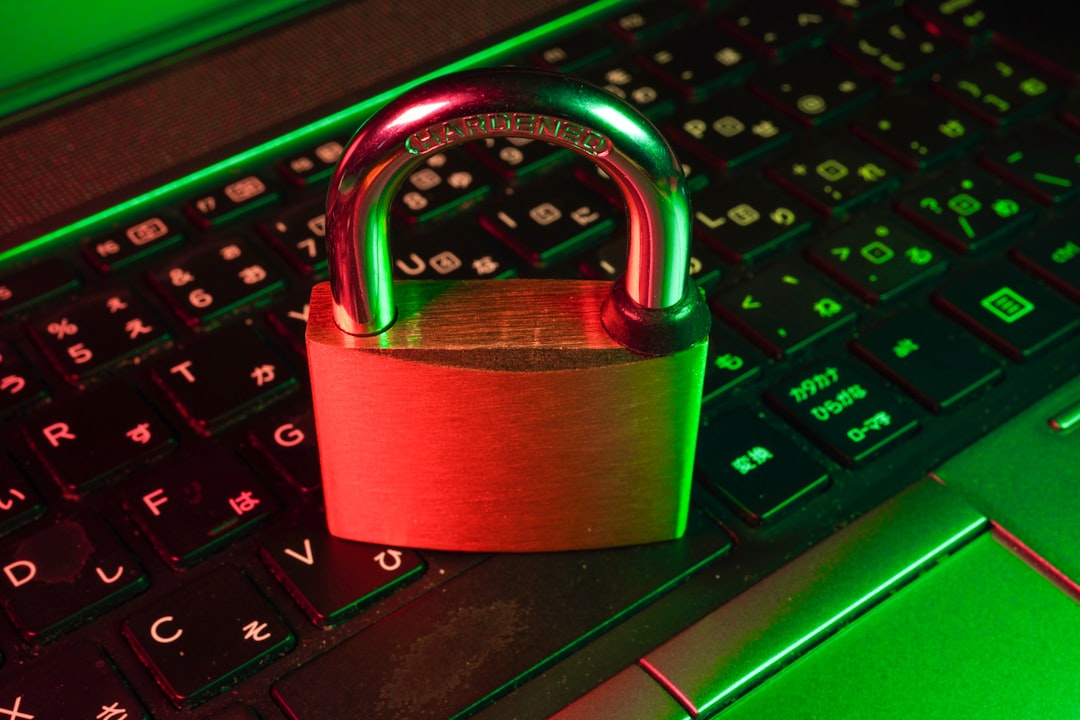
How Hackers Target Small Businesses
Small businesses are increasingly becoming targets for cybercriminals, and the reasons are clear: they often lack the robust security infrastructure of larger corporations, yet they still hold valuable data and financial assets. Understanding how hackers target small businesses is the first step toward protecting your company from devastating breaches that could cost you thousands of dollars and irreparable damage to your reputation.
Why Small Businesses Are Prime Targets
Hackers view small businesses as the sweet spot for cybercrime. Unlike enterprise-level organizations with dedicated security teams and advanced defensive systems, small businesses typically operate with limited IT resources and budget constraints. This creates a perfect storm of vulnerability. Cybercriminals know that a small business owner is less likely to have sophisticated threat detection systems in place, making their job significantly easier.
Additionally, small businesses often serve as gateways to larger corporations. If a hacker compromises a small vendor or service provider, they gain access to the supply chain of bigger companies with deeper pockets. This multiplier effect makes small businesses exponentially more valuable targets than their size might suggest.
Common Attack Methods Hackers Use
Phishing and Social Engineering: The majority of breaches begin with a simple email. Hackers craft convincing messages that appear to come from trusted sources, tricking employees into revealing passwords or downloading malware. These attacks are cheap to execute and highly effective because they exploit human psychology rather than technology.
Ransomware Attacks: Ransomware has become one of the most profitable tactics for criminals targeting small businesses. Once deployed, it encrypts your critical files and business operations come to a halt. Hackers then demand payment to restore access. Many small business owners feel forced to pay, believing it's the fastest way to resume operations.
Weak Password Practices: Many small business employees use simple, reused passwords across multiple platforms. Hackers use automated tools to test common password combinations or purchase lists of compromised credentials from the dark web. One weak password can grant access to your entire system.
Unpatched Software Vulnerabilities: Software updates often contain security patches for known vulnerabilities. Small businesses frequently delay or skip updates due to operational concerns, leaving their systems exposed to attackers who exploit these known weaknesses.
Credential Stuffing: When one service is breached, hackers automatically test those same login credentials against other platforms and services. If your team reuses passwords, one breach can compromise multiple critical systems.
The Real Cost of a Breach
The financial impact of a cyberattack extends far beyond the ransom demand or immediate data loss. Small businesses face costs including recovery and restoration, legal fees, regulatory fines, notification expenses, and most importantly, lost business and damaged customer trust. Studies show that many small businesses never fully recover from a major breach.
Protecting Your Small Business
Implement Multi-Factor Authentication (MFA): Require employees to verify their identity through multiple methods before accessing sensitive systems. This dramatically reduces the risk of unauthorized access even if passwords are compromised.
Conduct Regular Security Training: Educate your team about phishing tactics, password security, and safe browsing habits. Your employees are your first line of defense against social engineering attacks.
Keep Systems Updated: Establish a regular schedule for applying software patches and security updates across all devices and platforms.
Use Reputable Cybersecurity Tools: Invest in firewalls, antivirus software, and intrusion detection systems appropriate for your business size.
Develop an Incident Response Plan: Know exactly what to do if a breach occurs. Having a documented plan minimizes damage and recovery time.
Backup Critical Data: Maintain regular, offline backups of essential business information. This protects you against ransomware attacks where criminals encrypt your data.
Protecting your small business from cyber threats requires vigilance, investment, and ongoing attention. The cost of prevention is significantly lower than the cost of recovery. At Gotta Web Design LLC in Beaverton, Oregon, we understand that your website and digital infrastructure are critical assets. We build secure, modern websites with built-in security features and best practices to help keep your business protected. Let us help you establish a strong digital foundation that protects both your business and your customers. Contact us today to learn how we can secure your online presence.